In-home and virtual training across New Hampshire focused on impulse control, regulation, and calmer, more predictable walks.
Home / Leash Reactive Dog Training
Lunges at other dogs on leash
Barks or growls during walks
Reacts suddenly when passing people or dogs
Feels impossible to control once triggered
Seems calm at home but reactive outside
Makes walks stressful instead of enjoyable
Leash reactivity is one of the most common behavior issues dog owners face. It can feel embarrassing, frustrating, and unpredictable — especially when reactions escalate quickly.
In most cases, leash reactivity is driven by overstimulation, frustration, or stress rather than dominance or intentional aggression. With the right structure and regulation-focused training, many dogs learn to walk more calmly and predictably.
Many owners say their dog is perfectly fine off leash but reacts the moment a leash is clipped on. This is actually very common.
Leashes restrict movement, which can increase frustration and reduce a dog’s ability to create space. When arousal rises and a dog doesn’t yet have strong impulse control, reactions can escalate quickly. The leash isn’t the root cause, but it often amplifies underlying excitement, stress, or tension.
Because of this, improving leash reactivity isn’t just about changing equipment or walking technique. The key is strengthening regulation and decision-making so your dog can stay engaged and responsive even when stimulation increases.
Our approach builds that internal control first, then applies it to real-world walking situations in a structured and manageable way.
Initial Assessment
We identify triggers, intensity levels, and patterns in your dog’s reactions so we can build a clear starting point.
Regulation & Impulse Control
Before increasing exposure, we strengthen the skills that allow your dog to stay responsive and calm under rising stimulation.
Structured Exposure
Dogs are gradually guided through controlled walking scenarios that build tolerance without overwhelming them.
Owner Handling Skills
You’ll learn how to read early signals, manage distance, and respond clearly to prevent escalation.
Long-Term Walk Stability
The goal is predictable, manageable walks rather than just a temporary suppression of reactions.
Free 15–20 minute phone call
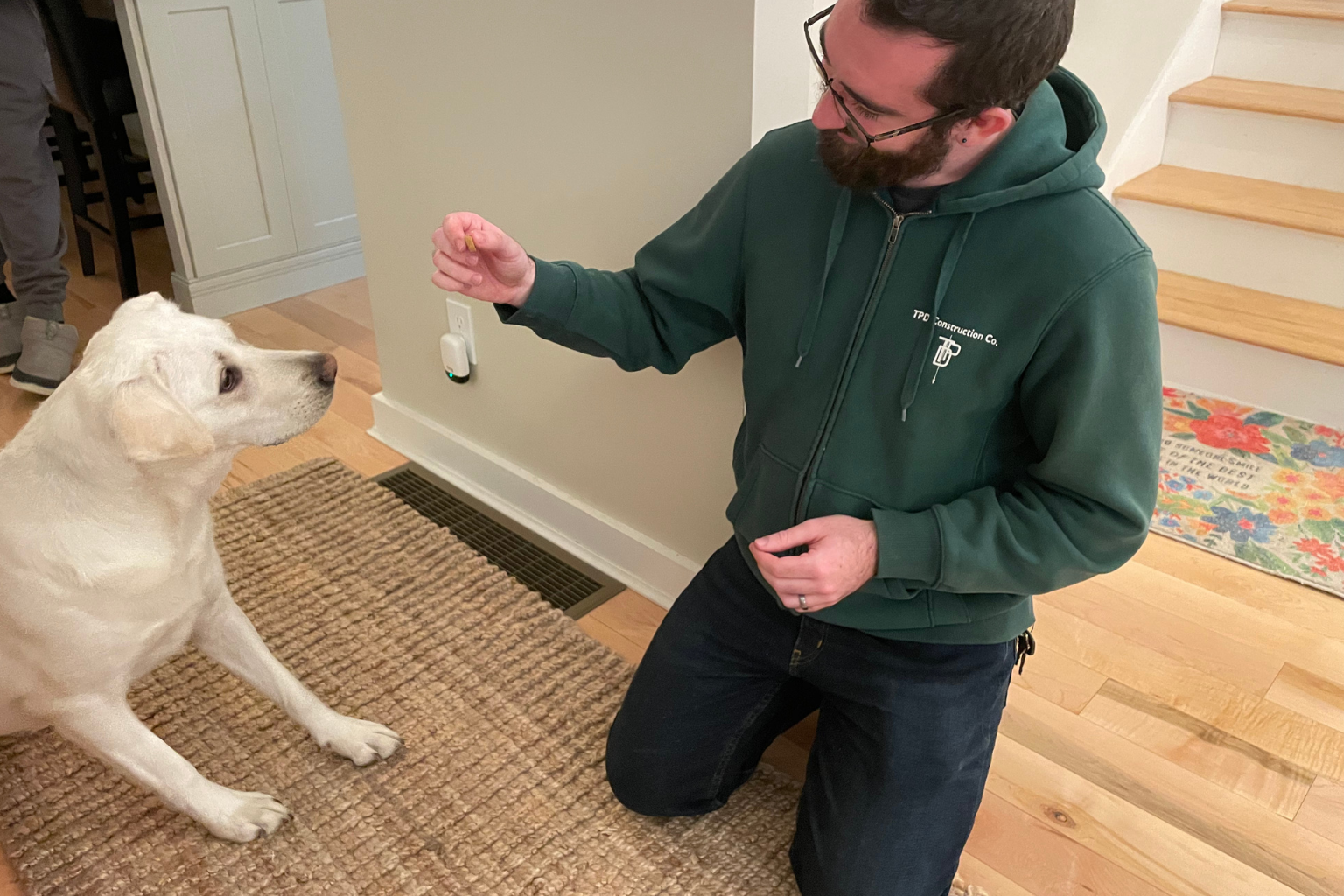
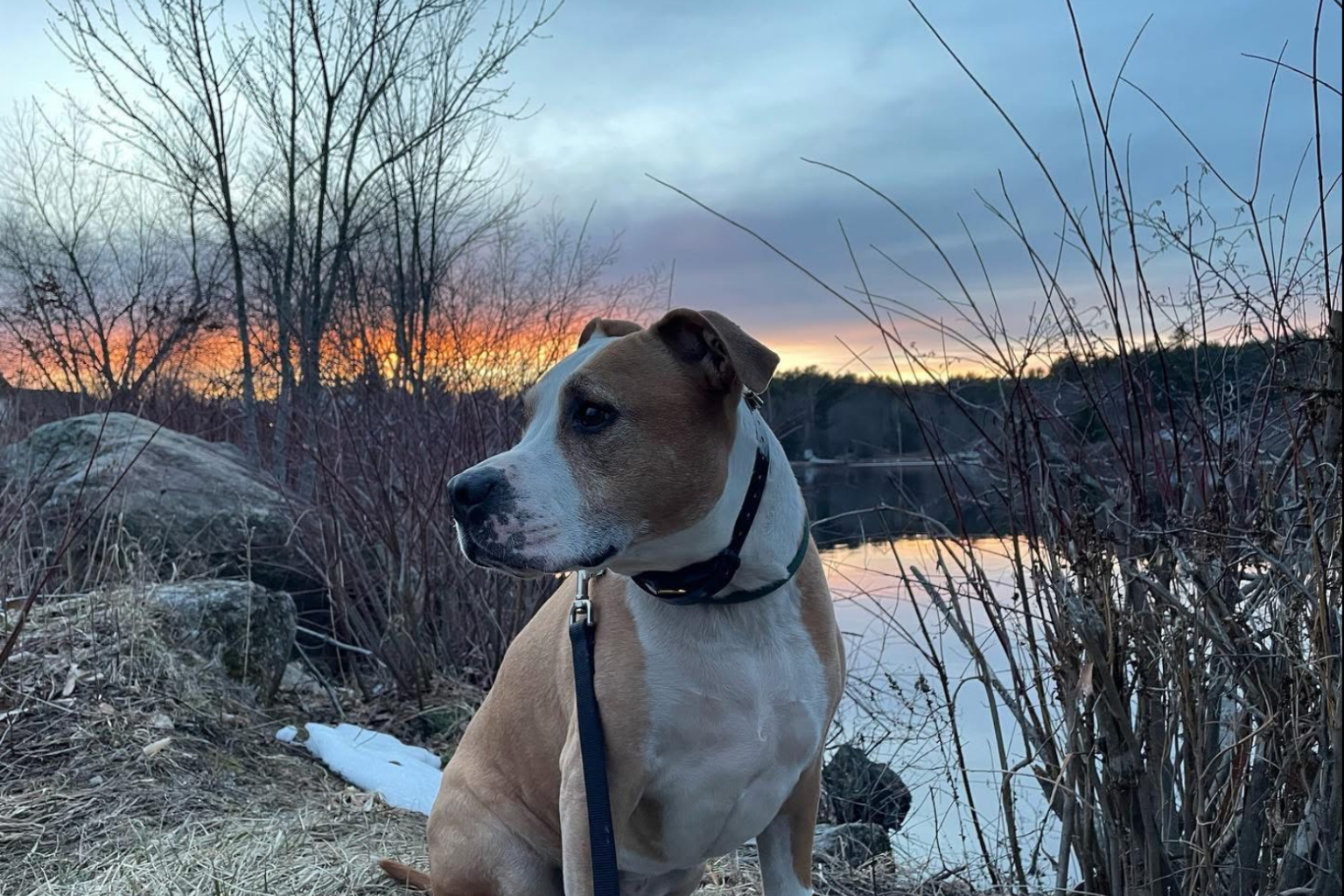
Our leash reactivity programs are customized based on trigger intensity, walking environments, and safety needs. Training may include in-home sessions, neighborhood walks, or virtual coaching depending on what best supports progress.
Owners receive clear guidance between sessions so walking strategies remain consistent and structured. The focus is steady improvement and realistic expectations rather than rushed exposure.
In many cases, yes. With consistent training and structured exposure, significant improvement — and usually full resolution — is achievable.
Leashes restrict movement, which can increase frustration and amplify stress. Combined with elevated arousal, this often leads to reactive behavior during walks even if the dog behaves differently off leash.
Yes. Programs are structured around your dog’s current threshold and progressed gradually to prevent overwhelming reactions.
In many cases, yes. Much of leash reactivity improvement depends on owner handling, distance management, and structured planning, which can be coached effectively.
Many owners come to us after trying group classes or basic obedience without seeing improvement on walks. Leash reactivity often requires a more structured approach focused on impulse control and regulation rather than just exposure or repetition.
Yes. In addition to separation anxiety, we work with a range of behavior concerns including reactivity, fear-based behaviors, leash issues, and impulse control challenges. You can learn more about our full range of services on our dog training programs page.
Free 15-20 minute phone call