Professional help for dogs that panic when left alone — available from anywhere. Schedule a free virtual consultation on the form below!
Home / Virtual Separation Anxiety Dog Training
Many dogs with separation anxiety appear calm when their owner is home, but panic when left alone. Common signs include:
Barking, whining, or howling when you leave
Destructive behavior near doors or windows
Accidents that only happen when home alone
Pacing, drooling, panting, or panic signs
Velcro behavior when you’re home
These behaviors are common signs of separation anxiety, and when addressed with the right training plan, they are highly treatable. Most dogs begin showing significant improvement within 4–8 weeks, with complete resolution in many cases.
Separation anxiety is one of the behavior issues that often works extremely well with virtual coaching.
The problem occurs when the dog is home alone, which means the training needs to happen in the same environment where the behavior occurs. Virtual sessions allow us to work directly within your dog’s normal routine and home environment rather than trying to recreate the situation somewhere else.
Another reason virtual training works well is that the process is largely about coaching the owner, not physically handling the dog. When owners understand how to guide the exercises, structure the training, and respond to their dog’s behavior, progress becomes much more consistent.
This approach allows for:
coaching during real training situations
customized training plans based on your dog’s responses
adjustments to the plan as progress develops
Virtual training also makes it possible for dog owners anywhere to get professional guidance without needing in-person sessions.
Many owners who contact us have already tried things like crate training, food toys, extra exercise, or practicing short departures.
In fact, a large number of our clients have previously worked with other trainers or followed separation anxiety techniques without seeing lasting improvement.
While these approaches can sometimes help with parts of the problem, they often do not address the core issue. Dogs with separation anxiety are not simply being stubborn or under-stimulated.
They are having difficulty regulating their emotional response when they are left alone.
That is why many dogs continue to panic even when they receive plenty of exercise, structure, and attention from their owners.
Effective training needs to focus on helping dogs build the ability to stay calmer and more stable during separation.
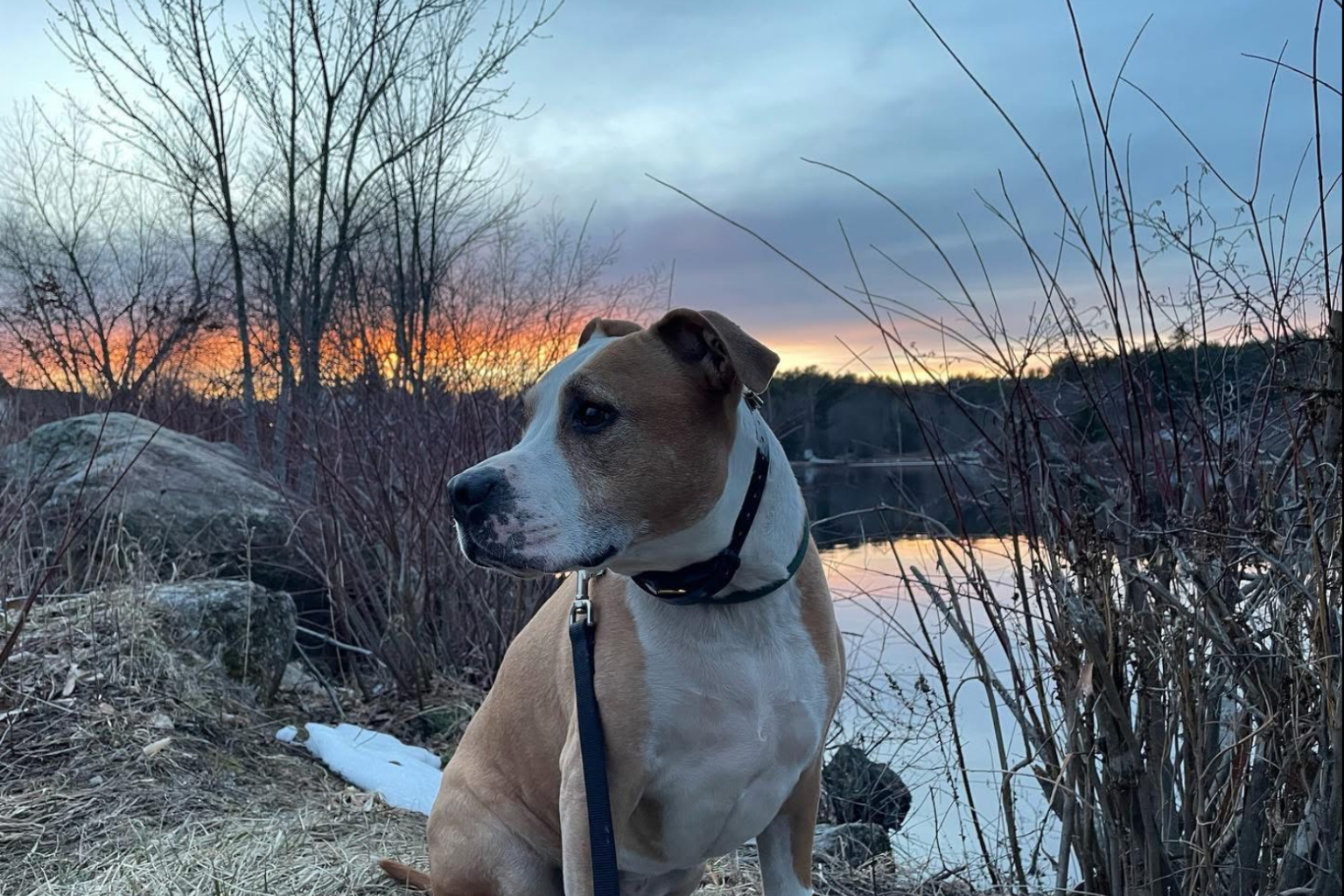
Our virtual separation anxiety training program focuses on helping dogs develop the skills they need to remain calmer when left alone.
This includes three core areas of training:
Emotional regulation
Helping dogs settle their nervous system and recover more easily instead of escalating into panic.
Impulse control
Teaching dogs to slow down their reactions and handle stressful situations with greater stability.
Structured separation exercises
Gradually building tolerance to being alone through a clear, progressive training plan that avoids overwhelming the dog.
When these skills are developed together, dogs begin building real confidence and independence rather than simply tolerating separation.
Initial consultation
We begin with a detailed consultation to understand your dog’s behavior, triggers, routines, and history.
Personalized training plan
You receive a customized plan designed specifically for your dog, your home environment, and your schedule.
Virtual coaching sessions
During sessions we walk through the training exercises step by step, making adjustments based on how your dog responds.
Support between sessions
You’ll know exactly what to practice between sessions so that progress continues outside of appointments, and you have text access to us in case you have questions or updates.
Building independence over time
The goal of the program is to help your dog gradually become calmer, more confident, and more comfortable being left alone.
Free 15–20 minute phone call

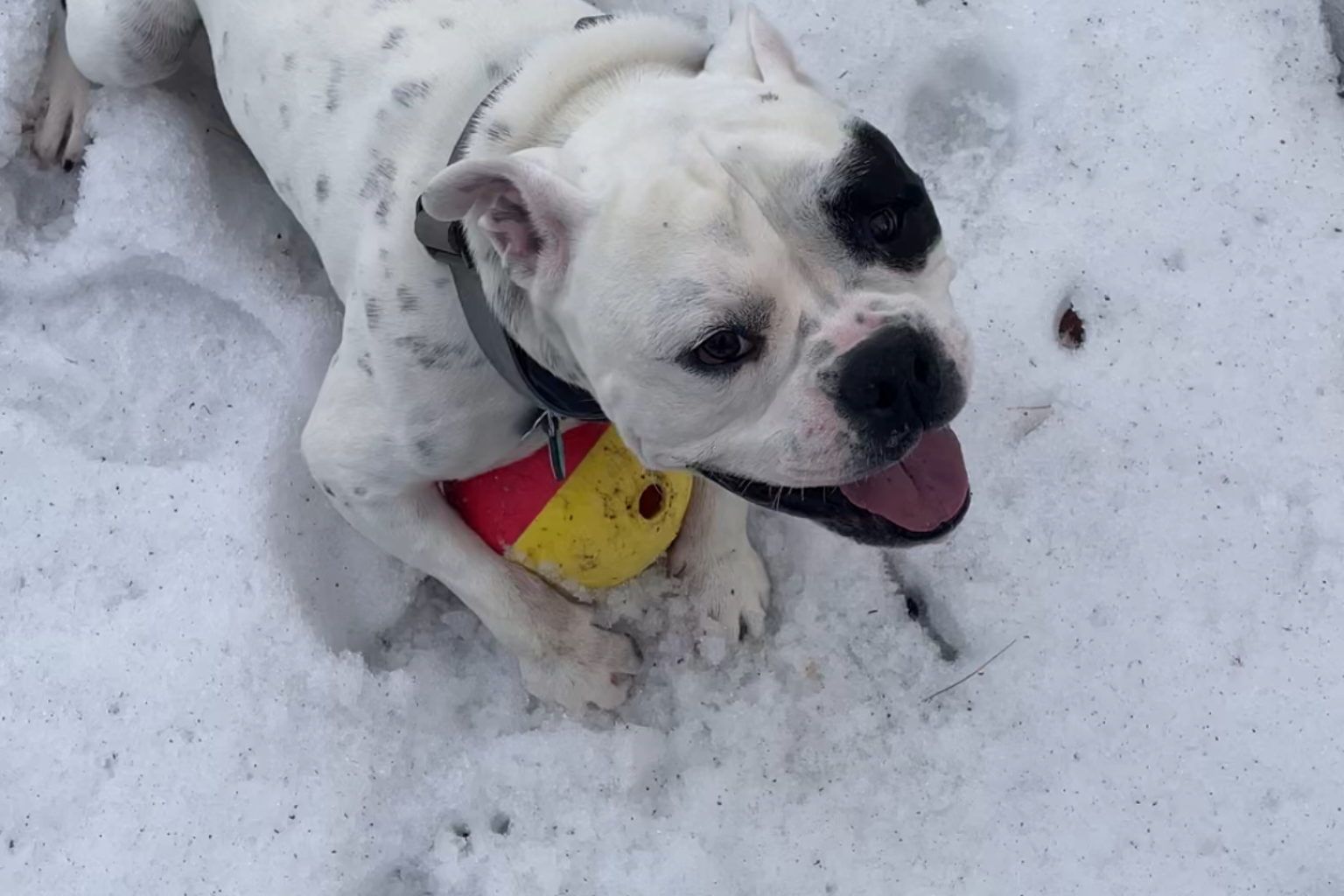
This program may be a good fit if your dog experiences any of the following:
Panics or becomes distressed when left alone
Barks, destroys things, or has accidents only when you’re gone
Follows you constantly and struggles to settle independently
Has not improved with common advice or basic training alone
Needs a structured training plan rather than trial and error
Every dog is different, but most dogs begin showing noticeable improvement within 4–8 weeks when the training plan is followed consistently.
Early progress may include reduced panic, faster recovery, and shorter periods of distress when left alone. As training continues, dogs develop the ability to remain calm more reliably when alone and build greater confidence when their owner leaves.
In many cases, the behavior can be resolved completely.
Free 15–20 minute phone call
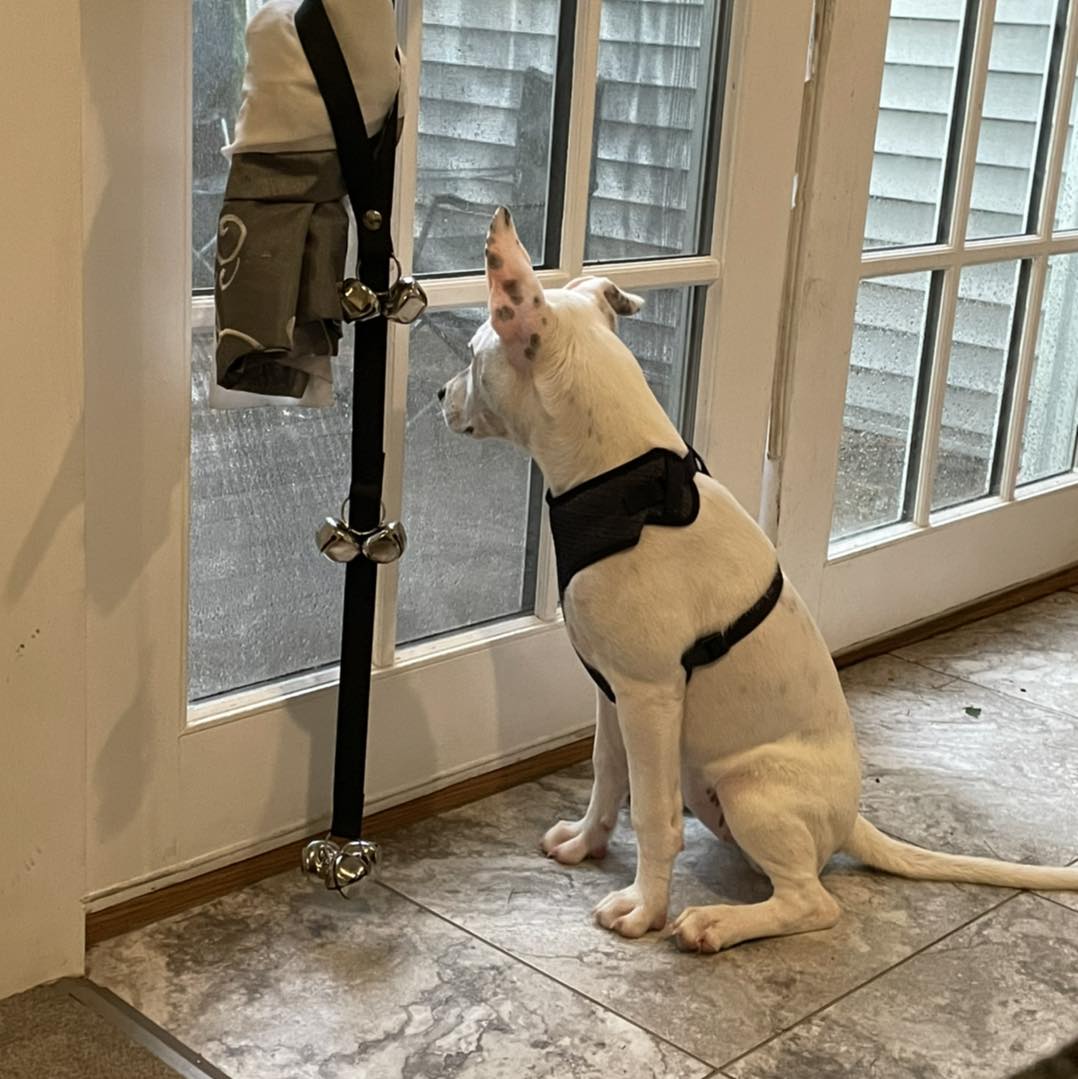
Separation anxiety training requires more than basic obedience or simple departure exercises.
Helping dogs through this process involves understanding how anxiety develops, how emotional escalation occurs, and how to help dogs build the ability to regulate their responses over time.
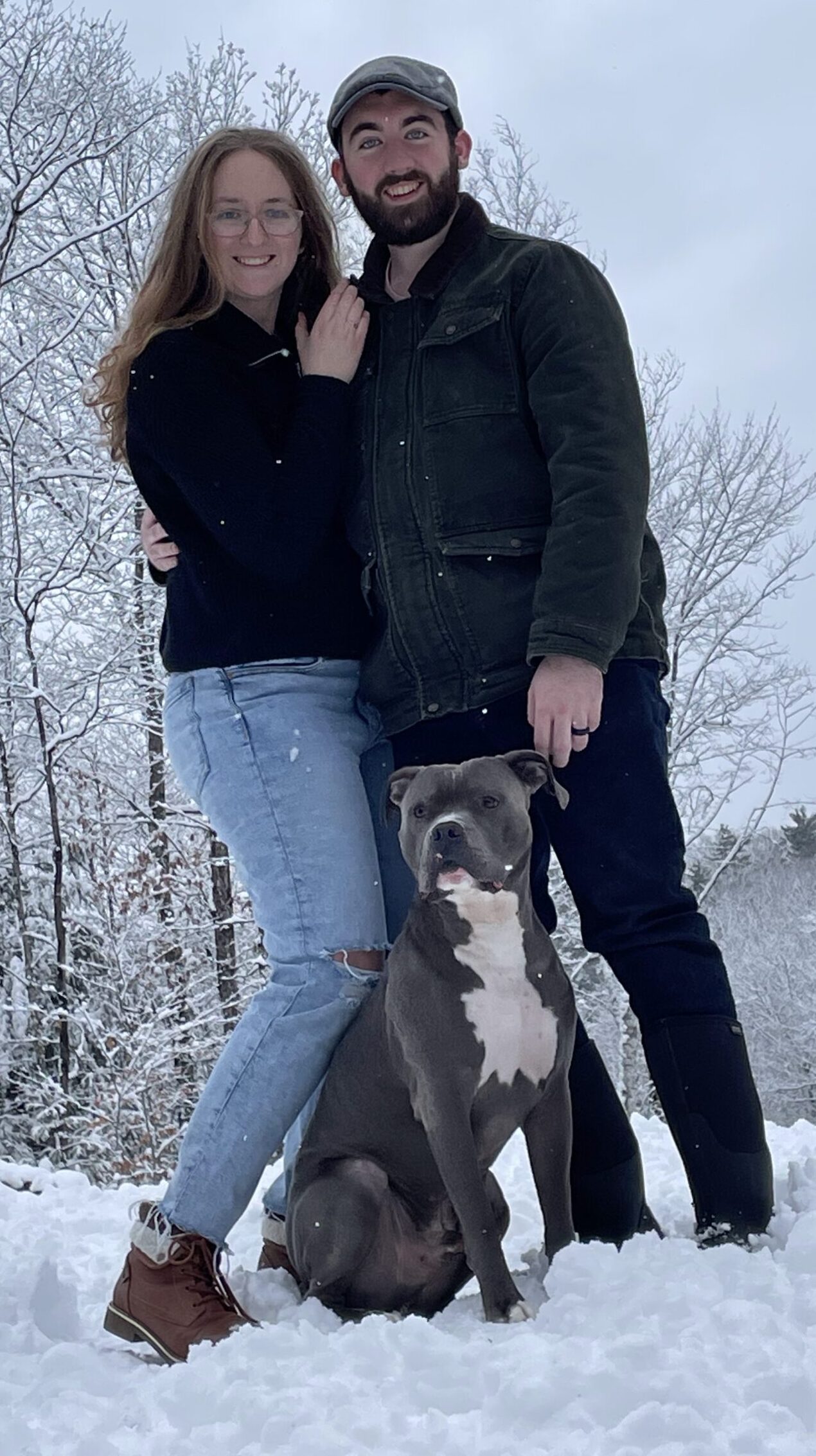
I have spent years working with anxious dogs and refining my approach to separation anxiety training. My work focuses heavily on emotional regulation, impulse control, and structured training plans designed to produce consistent results.
Separation anxiety is an area of training I care deeply about, and I have continued to refine my methodology with the goal of helping dogs develop lasting confidence and independence when left alone.
Yes. Separation anxiety is actually one of the behavior issues that works very well with virtual coaching because the training takes place in your dog’s home environment. We can guide the process step by step while you practice the exercises where the problem actually occurs.
No. Virtual training allows dog owners from anywhere to receive professional guidance. All sessions take place online, and the training plan is customized to your dog and home environment.
Every dog is different, but most dogs begin showing noticeable improvement within 4–8 weeks when the training plan is followed consistently. Some dogs progress more quickly, while more severe cases may take longer.
Many of the dogs we work with have previously tried other training approaches without success. In many cases the missing piece is helping the dog build emotional regulation and impulse control rather than focusing only on departure exercises.
Medication decisions should always be made in consultation with your veterinarian. Some dogs improve through behavior training alone, while others may benefit from additional support depending on the severity of the anxiety.
Yes. While this program focuses on separation anxiety, virtual training can also be very effective for other behavior challenges. I frequently work with dogs on issues such as anxiety, impulse control, difficulty settling, and other behavior problems that benefit from structured guidance and owner coaching.
If you’re unsure whether your dog’s behavior is a good fit for virtual training, we can discuss it during the consultation.
Free 15-20 minute phone call